About Us
Every child develops in their own rhythm, with unique strengths and needs. Our role is to guide that growth with patience and care, while also giving children the emotional support they need to feel safe and confident. True learning happens when both the mind and the heart are nurtured.
Our Philosophy
At NeuroNest Early Intervention in Waterford, we believe every child deserves the opportunity to communicate, learn, participate, and thrive. Early Intervention is a multidisciplinary approach that supports a child’s development across communication, movement, sensory processing, emotional regulation, play, learning, independence, and everyday participation.
Because every child is unique, we provide individualised support tailored to their strengths, needs, interests, and stage of development. We look at the whole child, recognising that development does not happen in separate areas. How a child moves, regulates, communicates, plays, learns, and connects with others all influence one another.
Our services include Early Intervention, early communication and language support, developmental assessments, sensory-motor support, learning support, social communication programmes, therapeutic play, primitive reflex integration, and parent guidance. We work in partnership with families to help children build the skills they need at home, in preschool, in school, and within their community.
Developmental Assessment
Our process begins with a developmental observation and non-clinical assessment carried out through play, interaction, movement, and everyday activities. This child-centred approach helps children feel comfortable while allowing us to develop a clear understanding of their strengths and areas where support may be beneficial.
Areas observed may include:
- Communication and language development
- Social communication and interaction
- Fine and gross motor development
- Motor planning and coordination
- Sensory processing and regulation
- Motor and postural development
- Movement and developmental patterns
- Primitive reflexes and developmental reflex observations
- Attention, memory, and learning readiness
- Emotional development and self-regulation
- Play skills and engagement
- Cognitive and problem-solving skills
- Independence and everyday functional skills
- School readiness and participation
Where appropriate, we may also observe motor and postural development, movement and developmental patterns, and primitive reflexes, as these can sometimes influence coordination, balance, attention, emotional regulation, learning, and participation in everyday activities.
Following assessment, families receive clear recommendations and an individualised intervention plan designed to support their child’s development and future goals.
How We Work
Our intervention sessions combine evidence-informed approaches from Early Intervention, paediatric occupational therapy principles, educational rehabilitation, early communication development, sensory-motor support, developmental education, therapeutic play, DIR/Floortime-informed practice, JASPER-informed interaction strategies, primitive reflex integration, movement-based learning, neurodiversity-affirming practice, and family-centred support.
Sessions may incorporate:
- Therapeutic and play-based intervention
- Early communication and language support
- Social communication and interaction support
- Sensory-motor activities and movement-based learning
- Primitive reflex integration activities
- Emotional regulation and co-regulation strategies
- Fine and gross motor skill development
- Motor planning and coordination activitiesE
- Cognitive, learning, and problem-solving activities
- Attention, memory, and executive functioning support
- Learning support and school-readiness activities
- Functional life skills and independence training
- AAC, visual supports, and alternative communication supports where appropriate
- Parent guidance and home strategies
All activities are carefully adapted to the child’s developmental profile and delivered in a way that is engaging, motivating, and meaningful.
Therapeutic Play
Play is at the heart of everything we do.
Through therapeutic play, children develop communication, social interaction, emotional regulation, motor planning, attention, creativity, confidence, and problem-solving skills. While sessions are enjoyable and engaging, every activity is designed with clear developmental goals in mind.
Because play is a child’s natural language, it provides one of the most effective pathways for learning, growth, and connection.
Early Communication and Language
Our Early Communication and Language Support is delivered as part of NeuroNest Early Intervention.
We support children with early communication, understanding, expressive communication, social communication, play-based interaction, regulation, engagement, and functional communication skills.
Support is tailored to each child’s individual developmental profile and may include:
- Early communication development
- Language understanding
- Expressive communication
- Social communication
- Play and interaction skills
- Functional communication
- AAC and visual supports
- Gestalt language processing-informed support
- Neurodiversity-affirming approaches
Our aim is to help children feel understood, communicate with greater confidence, and participate more fully in everyday life.
Family Partnership
Children make the greatest progress when families are actively involved.
We work closely with parents and caregivers, providing practical guidance, strategies, and ongoing support to help carry learning beyond the session environment and into everyday routines.
Modern Resources
To support engagement and motivation, NeuroNest incorporates a range of innovative tools and resources, including sensory equipment, neurofeedback technology, Particula Go Balance, GoChess, GoDice, Meta Quest, Xbox-based learning activities, Soundsory, Forbrain, interactive floor systems, projectors, educational games, and movement programmes.
These resources are used thoughtfully and purposefully to support developmental goals while keeping learning enjoyable and meaningful.
Our Mission
At NeuroNest, our mission is simple: to help children build the communication, confidence, regulation, independence, and life skills they need to participate fully in their families, schools, and communities.
We combine professional knowledge, evidence-informed practice, innovative resources, and genuine care to create a supportive environment where every child can grow, develop, and thrive.
Our team:
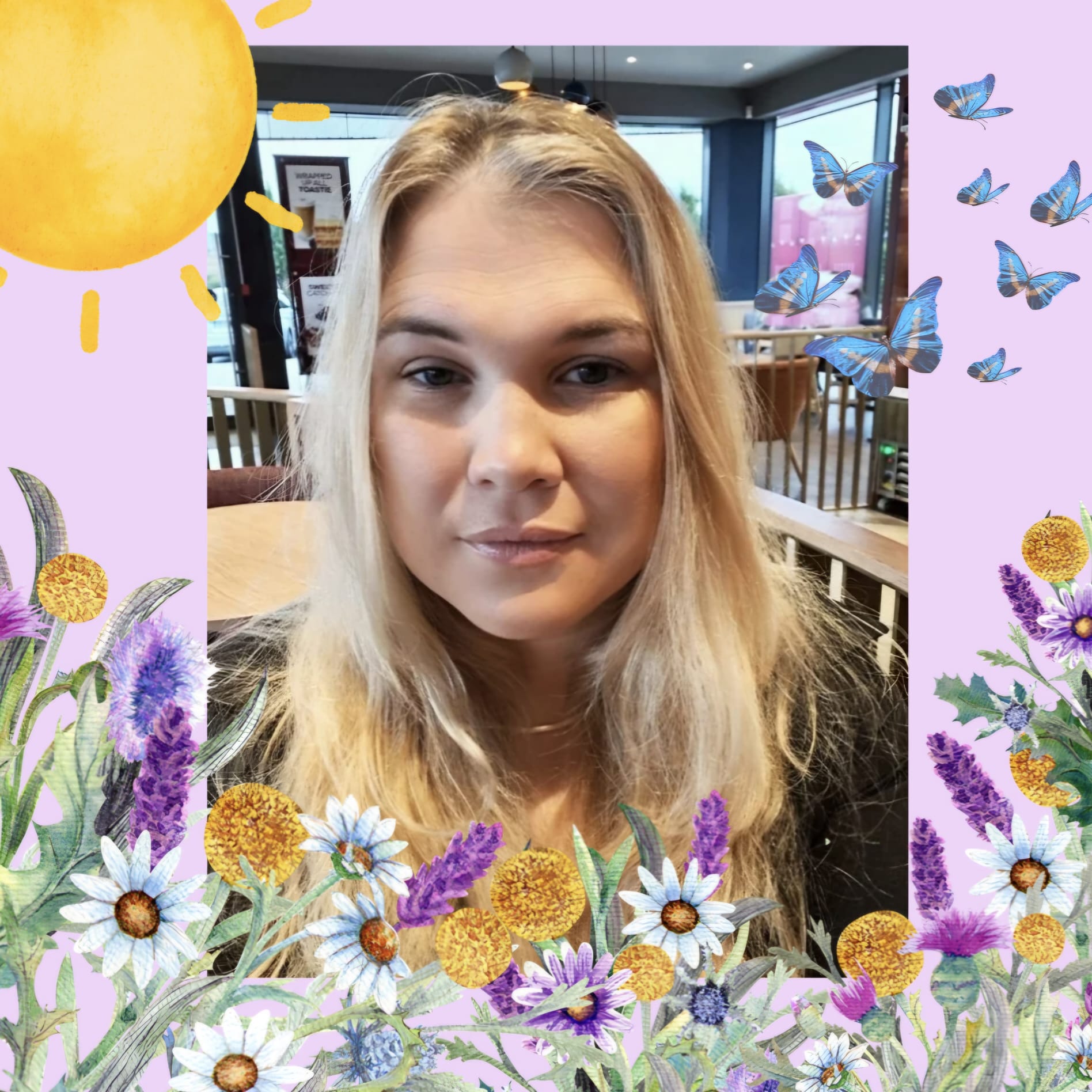
Kristina Rautek Potočnik
Founder & Lead Child Development Specialist | Early Intervention Specialist | Educational Rehabilitator | Therapeutic Pedagogue
Kristina Rautek Potočnik is a highly experienced Child Development Specialist, Early Intervention Specialist, Educational Rehabilitator and Therapeutic Pedagogue with more than 20 years of professional experience supporting children, families and educational settings across Croatia and Ireland. As Founder and Lead Specialist at NeuroNest, she combines extensive direct practice with an exceptionally broad academic and specialist background spanning child development, early intervention, neurodevelopment, communication, education and therapeutic practice.
Kristina holds a BA (Hons) in Educational Rehabilitation, having completed her professional education at the Faculty of Education and Rehabilitation Sciences, University of Zagreb. She also holds a Higher Diploma in Early Childhood Studies, a Master of Arts in Early Intervention and Inclusion, and a Master of Arts in Therapeutic Pedagogy. Her postgraduate education continues through an ongoing MSc in Speech and Communication, an ongoing MSc in Clinical Neuropsychology and Neuroeducation, and an ongoing Postgraduate Diploma in Teaching in Further Education. Together, these qualifications provide a multidisciplinary academic foundation across educational rehabilitation, child development, early intervention, inclusion, therapeutic pedagogy, communication, neuropsychology, neuroeducation and teaching.
Her professional expertise is further supported by specialist qualifications including Therapeutic Play, Sensory Integration, Autism Spectrum Disorder, Primitive Reflex Integration and Applied Behaviour Analysis, amongst many others. Kristina is also a Certified Autism Spectrum Disorder Clinical Specialist and a Certified Sensory Inclusion Facilitator through Sensory Integration Education in the United Kingdom. Across her career, she has completed hundreds of specialist certificates, professional development courses and advanced training programmes in child development, neurodevelopment, autism, psychology, communication, sensory processing, executive functioning, regulation, learning, behaviour, developmental assessment, school readiness, therapeutic observation, professional reporting and educational intervention.
Kristina began her professional career in Croatia and accumulated more than thirteen years of experience there before continuing her work in Ireland. Across more than two decades of practice, she has supported children presenting with autism, developmental delay, speech and communication differences, sensory processing differences, learning difficulties, emotional and behavioural needs, physical and intellectual disabilities, educational challenges and giftedness. Her experience encompasses direct intervention, developmental profiling, individualised programme planning, family support, school consultation, professional reporting and multidisciplinary collaboration.
Her approach is developmental, relationship-based, evidence-informed and highly individualised. Kristina draws directly from recognised approaches including DIR/Floortime®, JASPER – Joint Attention, Symbolic Play, Engagement and Regulation, Therapeutic Pedagogy, Montessori education, Reggio Emilia philosophy, sensory-informed intervention and play-based learning, amongst many other developmental and educational frameworks. Rather than applying one method to every child, she considers how communication, cognition, sensory processing, movement, regulation, executive functioning, relationships, learning and the environment interact within the child’s overall developmental profile.
At NeuroNest, Kristina works primarily with children from birth to 12 years of age, and in selected circumstances up to 14 years. Her work includes developmental profiling, individualised early intervention, communication development, sensory-motor development, emotional regulation, executive functioning, therapeutic play, cognitive development, fine and gross motor skills, independence, school readiness, parent guidance, educational consultation and professional developmental reporting.
As Founder and Lead Specialist, Kristina also provides professional oversight across NeuroNest’s intervention programmes and supports the wider team in developing coordinated, whole-child approaches. Her focus is not simply on addressing an isolated difficulty or achieving a skill during a session. It is on identifying the developmental foundations influencing the child, recognising their strengths and creating intervention that translates into meaningful progress in everyday life.
Kristina’s work is built around a clear principle: understand the whole child, identify what is supporting or limiting their development, and use specialist knowledge to build the foundations for long-term participation, independence, communication, learning and well-being.
Registrations and Memberships:
-
Associate Member of AOTI (Association of Occupational Therapists of Ireland)
Membership No: 10809
-
Associate Member of PSI (Psychological Society of Ireland)
Membership No: AM15626
-
Member of PEIN (Prevention and Early Intervention Network)
-
Associate Member of IACAT (Irish Association of Creative Arts Therapists)
Membership No: 2559
-
Member of IAIMH (Irish Association for Infant Mental Health)
-
Certified in Autism Spectrum Disorder Clinical Specialist (ASDCS) - PESI
-
Evergreen Certificate No: 258578
-
Registered ABA Tutor / Behaviour Technician with the Irish Society for Behaviour Analysis (ISBA) Registration No: fdf8ab9586
-
Teaching Council No: 345796
-
Sensory Inclusion Facilitator Register Certified in Sensory Processing Differences: Recognise, Support, Adapt
-
Member of the Association for Child and Adolescent Mental Health (ACAMH) Membership No. 114327
-
Dyslexia Ireland – Professional Membership Number: 214P

Jerely Obedine Catarina Pembele
Psychologist | Early Intervention Assistant
Jerely Obedine Catarina Pembele is an Early Intervention Assistant at NeuroNest Early Intervention, combining a strong academic background in psychology with practical experience supporting children, young people and families across early intervention, psychological wellbeing, community support and youth-focused settings.
Jerely holds a BSc (Hons) in Applied Psychology from the Technological University of the Shannon, where her academic studies included Developmental Psychology, Mental Health and Wellbeing, Social Psychology, Research Methods and Inclusive Practice. She is continuing her postgraduate education through an ongoing Master’s Degree in Psychological Science at the University of Limerick, further developing her knowledge of human behaviour, cognition, emotional development, psychological research and individual differences.
Her professional interests include child development, neurodevelopment, communication, emotional regulation, social-emotional wellbeing, neurodiversity and the psychological factors that influence how children engage, learn, communicate and respond to their environment. Her psychology background adds an important perspective to NeuroNest’s integrated approach, particularly when considering emotional development, behaviour, relationships, engagement and the wider factors influencing a child’s participation.
Alongside her work at NeuroNest, Jerely brings experience from child and family support and wellbeing services, where she has supported children and parents through structured wellbeing programmes, contributed to the development of child- and family-focused resources, assisted with outreach and programme delivery, and worked collaboratively within multidisciplinary environments. She also has experience in community-based youth leadership, supporting and mentoring children and young people through structured activities, group programmes and community initiatives.
At NeuroNest, Jerely works directly with children across a broad range of developmental profiles and support needs. She contributes to individualised intervention through developmental and therapeutic play, communication opportunities, sensory and movement-based activities, emotional regulation work, creative activities, structured developmental tasks and relationship-based interaction.
One of Jerely’s key strengths is her ability to establish positive and trusting relationships with children. Her approach is calm, patient and respectful. She gives children time to become comfortable, carefully observes their communication and responses, and adapts her interaction according to the individual child rather than expecting every child to respond to the same approach.
She has a particular interest in understanding the meaning beneath behaviour. Jerely recognises that children communicate in many ways, including through language, play, movement, facial expression, body language and behaviour. Rather than responding only to what is immediately visible, she considers what the child may be communicating, experiencing or finding difficult and how developmental, emotional or environmental factors may be influencing their response.
Her wider professional experience has strengthened her skills in emotional support, communication, inclusive and person-centred practice, programme delivery, safeguarding awareness, multidisciplinary collaboration and working sensitively with children, young people and families.
Jerely speaks English, French and Lingala, bringing valuable linguistic and cultural diversity to the NeuroNest team. Her interests in music, singing, art, reading and creative activities also support her ability to connect naturally with children through play, imagination and shared engagement.
Through her ongoing postgraduate education and professional development, Jerely continues to build expertise across psychological science, child development, neurodevelopment, communication, autism, sensory processing, emotional wellbeing, play-based intervention and trauma-informed practice. At NeuroNest, her goal is to ensure that every child she works with feels safe, understood, respected and encouraged while receiving purposeful support that contributes to meaningful developmental progress.

Julianna Sowu
Early Intervention Assistant
Julianna Sowu is an Early Intervention Assistant at NeuroNest Early Intervention and a highly valued member of the team, recognised for her strong practical ability, natural understanding of child development and exceptional confidence in hands-on developmental work.
She has particular strengths in physical and motor development and works very effectively with children through movement, structured physical activities, sensory-motor experiences and developmental play. Julianna is especially skilled at engaging children in activities that support balance, coordination, body awareness, motor planning, strength, movement confidence and overall physical participation.
One of Julianna’s greatest strengths is her ability to observe a child carefully and adjust an activity according to what that child needs in the moment. She recognises when to provide additional support, when to gradually reduce assistance, when to encourage persistence and when an activity needs to be adapted. This strong practical awareness allows her to create experiences that are appropriately challenging while remaining achievable, positive and motivating.
Her strengths extend across wider areas of child development, including developmental progression, play, emotional regulation, communication, routines and everyday independence. She understands that developmental areas are closely connected and is particularly effective at incorporating several developmental goals naturally within the same activity.
At NeuroNest, Julianna works directly with children presenting with a broad range of developmental profiles and additional support needs. Her work may include gross motor development, sensory-motor activities, balance and coordination, fine motor tasks, developmental play, communication opportunities, emotional regulation, structured learning activities and support with functional everyday skills.
Julianna has also completed a number of relevant professional certificates and training programmes, including Tusla Children First training, strengthening her knowledge of safeguarding, child welfare and professional responsibilities when working with children. She continues to build her formal qualifications progressively while gaining substantial practical experience through her day-to-day work in early intervention.
A defining strength of Julianna’s practice is her natural ability to connect with children. She is warm, playful, confident and encouraging while maintaining clear and appropriate boundaries. She creates an environment in which children can feel comfortable enough to participate, experiment, attempt challenging activities and build confidence in their own abilities.
She is highly observant and quick to notice changes in a child’s movement, confidence, regulation, engagement or response to an activity. These observations make her an important contributor to NeuroNest’s collaborative approach, where the team works together to continually adapt intervention according to each child’s progress and developmental priorities.
Within the NeuroNest team, Julianna is dependable, proactive, energetic and exceptionally practical. She contributes strongly to the implementation of individualised intervention programmes and brings creativity, initiative and a genuine understanding of how to make developmental work meaningful and engaging for children.
Her combination of developmental awareness, physical confidence, creativity and natural rapport with children makes her particularly effective in direct intervention. She is able to motivate children who may initially be hesitant, adapt quickly when an activity is not working and recognise small but meaningful developmental gains that can then be developed further.
At NeuroNest, Julianna’s focus is on helping children become more confident in their bodies, their abilities and their participation in everyday life. Her natural aptitude for developmental work, combined with growing formal qualifications, professional training and extensive practical experience, makes her an important part of NeuroNest’s early intervention team.

Patrick Joseph Hogan
PJ Hogan is part of the NeuroNest team as a Student Placement. He is currently in Year 3 of a degree in Health Fitness Management and has a clear professional goal of progressing to a Master’s degree in Occupational Therapy in the future.
Since joining NeuroNest, PJ has settled exceptionally well into the environment and has quickly become a familiar, trusted, and much-loved presence for both children and staff. Children naturally gravitate towards him, responding positively to his calm energy, warmth, and playful engagement. His ability to connect feels instinctive, and it is already very evident that working with children is something that comes naturally to him.
PJ currently leads sessions with a child under Kristina’s supervision, and this work has highlighted his strengths in real time. He approaches sessions with confidence, sensitivity, and genuine care, balancing structure with play in a way that supports the child’s engagement, communication, and emotional regulation. His interactions are thoughtful and attuned, and it is clear from observing his practice that this pathway is very well suited to him.
PJ speaks English, with some Irish and German, and has completed First Aid training. He has experience supporting children aged 2 to 10 years, including extensive babysitting within his family. This background has helped him develop a strong sense of responsibility, adaptability, and ease around children of different ages and personalities.
A defining feature of PJ’s approach is the playful, movement-based energy he brings to his work. As someone who loves hurling and soccer, he naturally incorporates movement, fun, and shared activity into his interactions, which many children respond to immediately. He strongly believes that play can be a powerful tool to support communication, behaviour, and relationship-building, and this belief is clearly reflected in how he works with children day to day.
PJ describes himself as funny, caring, and kind, and these qualities are consistently evident in his interactions. His work is guided by the values of respect, patience, and calmness, and he has a natural ability to help children feel comfortable and safe in his presence. He builds trust quickly by being approachable, gentle, and genuinely interested in each child as an individual.
Within the team, PJ is known as helpful, friendly, and cheerful. He works extremely well as part of a team, shows respect for every role, and contributes positively to the overall atmosphere of the centre. He is open to feedback, values learning, and approaches both praise and constructive guidance with maturity and professionalism.
PJ credits his parents as his biggest influences growing up and places strong value on family, humour, and connection. He enjoys spending time with friends and family, and brings this sense of warmth and positivity into his work. As a child, he loved creative expression and once dreamed of becoming an artist. Some of his favourite childhood memories include family holidays and sporting events, and his favourite children’s book and film were Diary of a Wimpy Kid and Shrek.
PJ has shared that his experience at NeuroNest is already having a significant impact on his professional development, allowing him to build skills, gain confidence, and learn directly from experienced practitioners. His first impressions of occupational therapy are overwhelmingly positive, and it is clear that this placement is helping to shape his future direction in a very meaningful way.
PJ’s presence at NeuroNest reflects our commitment to nurturing future professionals, recognising natural strengths, and creating an environment where kindness, care, and connection are at the centre of everything we do. He is a valued member of our team, and we are delighted to support him on this stage of his journey.

Mihaela Potocnik
Business Operations Manager | Administrator | Early Intervention Assistant | Learning Support
Mihaela Potocnik holds a multidisciplinary role at NeuroNest, working both directly with children and across the operational management of the practice. Her background brings together special needs support, child development, education, law, business, governance and organisational management, allowing her to contribute both to children’s day-to-day intervention and to the professional systems that support the wider NeuroNest team.
Mihaela has completed a Special Needs Assisting qualification, a Diploma in Development and Education in Early Childhood and a Diploma in Mental Health. She has also completed specialist university study through the University of Minnesota in Resilience in Children Exposed to Trauma, Disaster and War: Global Perspectives, developing further knowledge of childhood resilience, adversity, environmental influences and the factors that can affect children’s emotional and developmental outcomes.
Her role at NeuroNest is not solely administrative. Mihaela works directly with children, independently providing learning and educational support where appropriate and assisting within integrated intervention sessions when additional support is required. Her work can include literacy, numeracy, comprehension, language and communication-based learning, structured educational activities, school-related support, developmental tasks and practical assistance within sessions. She is particularly confident in adapting explanations and activities to suit the individual child rather than expecting every child to learn in the same way.
Her experience in education extends further through private tutoring and teaching, including supporting students with English, Geography, Politics and Spanish, teaching English to non-native speakers and preparing learners for State Examinations. This work has developed her ability to identify learning gaps, break complex material into accessible steps, create individualised learning plans and adapt communication to different ages, abilities and language backgrounds.
Mihaela has also worked alongside children within NeuroNest since its early development. Before moving into her formal management position, she supported developmental activities, social interaction, small-group work, preparation of sensory-considerate environments and children who required additional physical assistance to participate safely in activities. This hands-on background gives her a practical understanding of the children and families attending NeuroNest and allows her to move confidently between learning support, session assistance and operational responsibilities.
Alongside her child-focused work, Mihaela is currently completing the fourth year of her Bachelor of Laws (LLB). Her legal education has developed advanced skills in legal research, statutory interpretation, critical analysis, argument construction, professional writing, regulatory awareness and structured decision-making. These skills directly strengthen her work within NeuroNest in areas such as policy development, contracts, confidentiality, documentation, risk management, governance and professional compliance.
Her wider academic and professional development includes a Diploma in Business Administration, a Diploma in Business Administration and Corporate Management, a Diploma in Effective Human Resource Administration and a qualification in Legal Office Administration. She has also completed professional study in Business Analysis and Process Management, Administrative Professional Foundations, GDPR and Data Protection, Employment Law, Business Law for Managers, Contract Interpretation, Legal Risk Management and professional decision-making. Mihaela has completed the CreateHER leadership and entrepreneurship programme, further developing her skills in leadership, innovation, entrepreneurship, professional confidence, communication and strategic thinking. Her additional professional development spans Leadership Ethics, Business Ethics, Ethical Decision-Making, Conflict of Interest Management, Communication Foundations, team coaching, employee management and responsible organisational leadership.
As Business Operations Manager, Mihaela has played a central role in developing the organisational infrastructure behind NeuroNest. She coordinates the master schedule across practitioners, manages family enquiries and bookings, oversees payments and instalment arrangements, maintains client and administrative records, supports payroll and staff administration, contributes to policies and contracts, manages documentation and compliance processes, and oversees NeuroNest’s website, digital communications and many of the practical systems required for the practice to operate effectively.
What makes Mihaela’s role particularly valuable is the combination of these two areas. She understands NeuroNest not only from the perspective of administration and management, but also from direct work with children. Her SNA training, child-development education, tutoring experience and practical early intervention work allow her to understand what practitioners and families require, while her legal and business background provides the structure, organisation and professional oversight needed within a growing practice.
At NeuroNest, Mihaela therefore works across both the developmental and operational sides of the service: independently supporting children with learning, assisting practitioners within sessions when required, communicating closely with families, coordinating the team and managing the systems that allow intervention to run effectively. Her role is centred on ensuring that children receive thoughtful and individualised support while the practice around them remains organised, responsive and professionally managed.
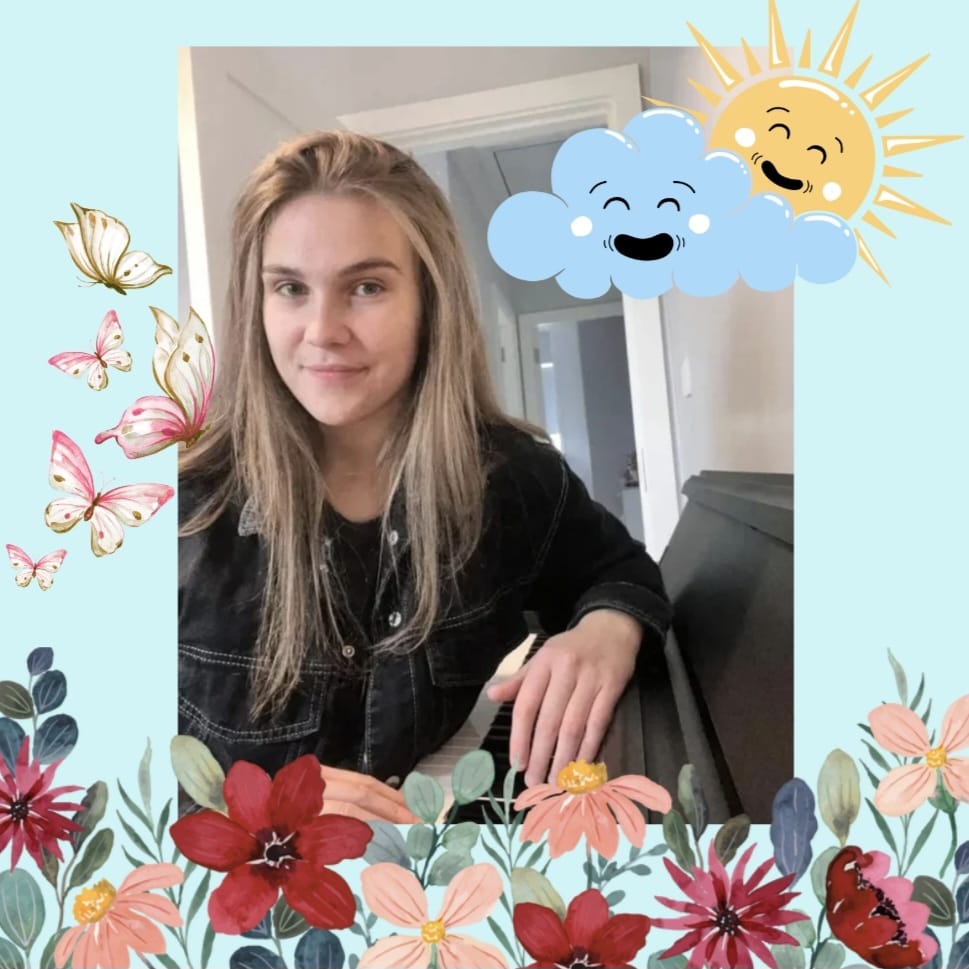
Karla Potocnik
STEM & Language Tutor
Karla Potocnik is NeuroNest’s STEM and Language Tutor, bringing an exceptionally strong academic and analytical background to individual learning support, Junior Cycle and Leaving Certificate preparation. Her expertise spans Mathematics, Physics, Chemistry, Spanish and German, with a particular strength in making complex material structured, understandable and achievable for students.
Karla holds a First Class Honours Bachelor of Engineering in Mechanical & Manufacturing Engineering from South East Technological University. Her engineering education has developed advanced mathematical ability, technical problem-solving, analytical reasoning, precision and the ability to break complex systems into clear, manageable components. She is continuing her academic development through an ongoing MSc in Data Science, further expanding her expertise in mathematics, statistics, data analysis, computational thinking and evidence-based problem-solving.
Her academic background extends beyond engineering and data science. Karla has completed the AAT Accounting Pathway Programme and holds a Diploma in Xero, adding financial analysis, numerical accuracy and accounting systems to an already broad technical skill set. She is also a qualified Piano Performer, bringing many years of advanced musical training and the discipline, concentration, pattern recognition and attention to detail associated with high-level performance.
This combination of engineering, data science, mathematics, financial study, languages and music gives Karla a distinctive approach to teaching. She is able to approach a problem from several perspectives and is particularly effective at identifying where a student’s understanding has broken down, simplifying the underlying concept and rebuilding it step by step.
At NeuroNest, Karla provides individualised learning support and specialised grinds for students preparing for Junior Cycle and Leaving Certificate examinations. Her teaching covers Mathematics, Physics, Chemistry, Spanish and German, with lessons adapted according to the student’s current level, learning style, academic goals and areas requiring additional support.
Karla combines clear explanations with worked examples, visual approaches, structured practice and exam-focused strategies. Rather than encouraging students to memorise procedures without understanding them, she focuses on developing the reasoning behind the subject so that students can apply their knowledge independently when faced with unfamiliar questions.
Her approach is calm, structured and encouraging, whether she is supporting a student who needs to rebuild confidence and strengthen fundamental skills or a high-performing student working towards top examination results. She places particular emphasis on identifying knowledge gaps early, developing effective problem-solving strategies and helping students become increasingly confident in their own academic ability.
Karla’s broad academic background allows her to bring genuine subject expertise, analytical depth and interdisciplinary thinking into her teaching. At NeuroNest, her goal is not simply to help students complete schoolwork, but to give them the understanding, confidence and strategies required to approach challenging subjects independently and achieve their strongest possible academic outcomes.